
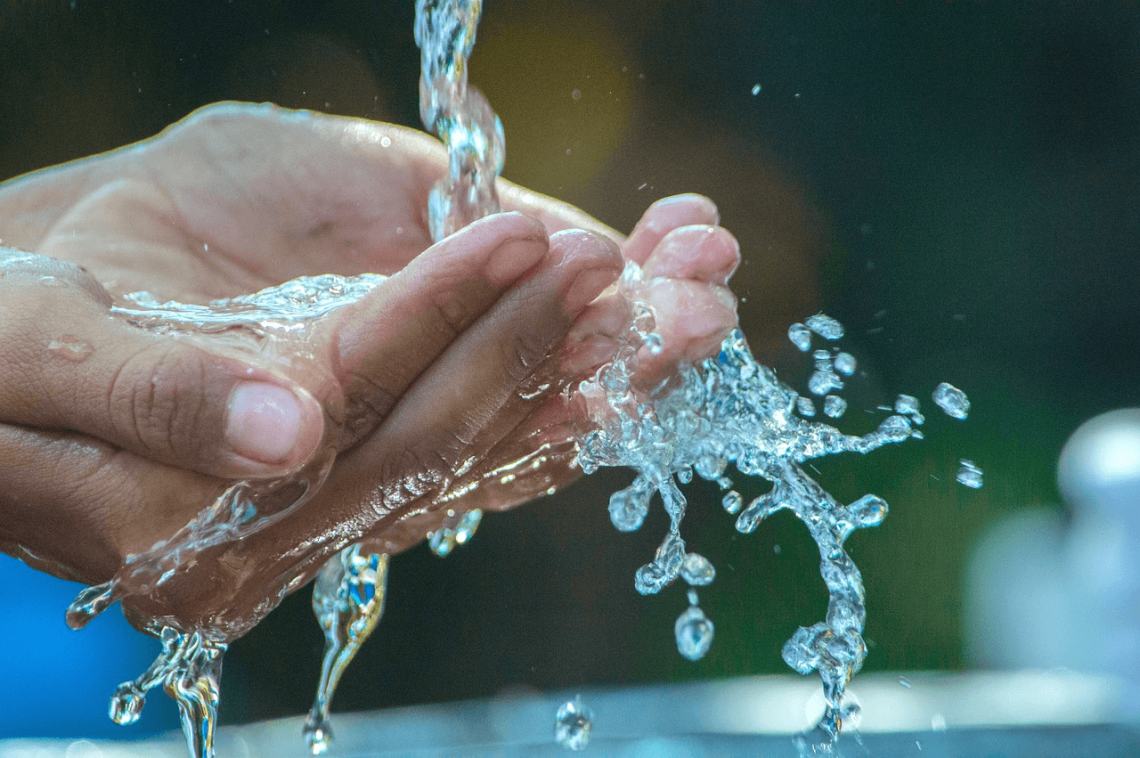
We’ve all heard the standard advice. Drink eight glasses of water a day. Carry a bottle with you. But for many of us, hydration feels like just another item on a checklist, a chore to be completed rather than a fundamental part of feeling good. What if we shifted that perspective? What if, instead of just counting ounces, we started paying attention to what our hydration habits—or lack thereof—might be telling us about our broader approach to health?
This isn’t about shaming anyone for forgetting their water bottle. It’s about recognizing that how we hydrate is often a mirror of our daily rhythms, our stress levels, and even our relationship with our own bodies. Let’s look past the simple rule and into the practical, nuanced role water plays in a sustainable healthy lifestyle.
The Ripple Effect: How Hydration Touches Everything
You likely know water is essential. But its influence is more pervasive than we often give it credit for. It’s the medium for nearly every process in your body. When you’re consistently well-hydrated, you’re not just avoiding thirst; you’re actively optimizing a system.
Think about your energy in the mid-afternoon. That common slump isn’t always about needing caffeine or sugar. Mild dehydration is a frequent, overlooked culprit. It can lead to a noticeable dip in concentration and an increase in perceived fatigue. Your brain, which is about 75% water, is particularly sensitive to fluid levels.
Then there’s mood. Research has suggested links between lower water intake and increased tension, confusion, and even feelings of depression. While water isn’t a cure for mental health conditions, it’s a foundational element that supports emotional equilibrium. When your body’s basic physical needs are met, your mind has a more stable platform from which to operate.
Listening to More Than Thirst
Thirst is a clear signal, but it’s a late one. By the time you feel thirsty, you’re already mildly dehydrated. Relying solely on thirst means you’re constantly playing catch-up. A more proactive approach involves noticing other, subtler cues.
- Your energy timeline: Do you consistently hit a wall at 3 PM? Before reaching for a snack, try drinking a full glass of water and waiting 15 minutes.
- Headache patterns: Not all headaches are dehydration-related, but many are, especially those that creep in during long tasks or after time in climate-controlled spaces.
- Skin and mouth feel: While not the most precise indicators, persistently dry skin or a sticky-feeling mouth can be gentle reminders to check in with your intake.
The goal here is to build a habit of anticipation rather than reaction. It’s a small mental shift with a significant practical impact.
Building a Hydration Habit That Actually Sticks
Knowing you should drink more water and actually doing it are two different things. The key is to weave hydration into your existing routine in ways that feel effortless, not burdensome. Forget the giant, intimidating gallon jug if it doesn’t work for you. Sustainability is the priority.
Start by anchoring your drinking to daily events you never miss. Have a glass of water right after you brush your teeth in the morning. Drink a full glass with every meal and snack. Keep a cup by your kitchen sink and fill it each time you walk past. These “habit stacks” leverage your existing behavior to build a new one.
The vessel matters, too. Find a bottle or cup you genuinely enjoy using. Does a stainless steel bottle keep your water cooler longer? Do you prefer a glass with a straw? This isn’t frivolous; it’s about removing friction. If you like your container, you’re more likely to reach for it.
And let’s talk about flavor. If plain water feels like a chore, it’s perfectly fine to enhance it. Adding a slice of lemon, cucumber, a few crushed mint leaves, or even a splash of 100% fruit juice can make it more appealing without adding significant sugar. The objective is consistent hydration, not purity-testing your beverage.
When More Isn’t Always Better
While under-hydration is a common issue, it’s worth noting that an obsessive focus on over-hydration can also miss the point. The “eight glasses” rule is a rough average. Your needs vary dramatically with your body size, activity level, the climate you live in, and what you eat (many fruits and vegetables are high in water content).
Forcing yourself to drink when you’re not thirsty, especially large quantities at once, can be uncomfortable and isn’t necessary for most people. The aim is consistent, moderate intake throughout the day. A good, personalized benchmark is the color of your urine. Aim for a pale straw color. Dark yellow often indicates a need for more fluids, while consistently clear urine might mean you’re drinking more than your body currently requires.
Hydration as a Barometer for Self-Care
This is where the concept deepens. How you manage your hydration can be a quiet indicator of how you’re managing yourself. On days filled with back-to-back meetings, relentless tasks, and constant digital engagement, do you remember to pause and drink? Or does your water bottle sit untouched, a symbol of your own needs being placed last on the agenda?
Choosing to hydrate is a small, immediate act of kindness toward your future self. It’s a decision that says, “I am preparing my body and mind to handle what comes next.” In this way, a simple glass of water becomes a ritual of preparedness and self-respect.
It also connects to mindfulness. The act of stopping to take a drink forces a momentary pause—a brief disconnection from the flow of work or worry. It’s a chance to take a breath, literally and figuratively. These micro-pauses, repeated throughout the day, can cumulatively lower stress and increase your sense of presence.
The Long-Term View
The benefits of good hydration habits compound over years. Consistent, adequate water intake supports kidney function, aids in maintaining healthy blood pressure, helps lubricate joints, and contributes to a well-functioning digestive system. It’s one of the most accessible forms of preventive care available to us.
It’s not a magic bullet or a dramatic transformation. You won’t wake up after a week of drinking well and feel like a new person. The value is in the quiet, cumulative effect. It’s the absence of those nagging afternoon headaches. It’s having more steady energy to play with your kids or pursue a hobby after work. It’s the knowledge that you’re supporting your body’s basic, elegant machinery day in and day out.
So, tomorrow, don’t just think about hitting a water quota. Think of each sip as a small investment in your immediate clarity and your long-term vitality. Notice the habits forming around it. That’s where the real story of your health is often written—not in grand gestures, but in these quiet, consistent, daily returns.

